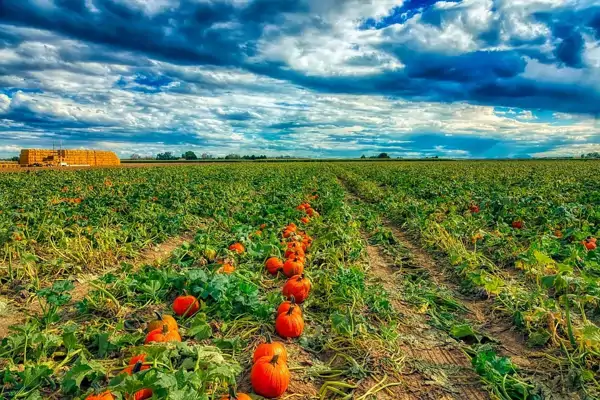
How is pumpkin cultivation done? Pumpkin harvesting season is here! How do you know when pumpkins are ready to be picked? Can you leave them on the vine for too long? Continue reading our blog post on how pumpkin cultivation is done, covering everything from planting to harvest.
What is Pumpkin?
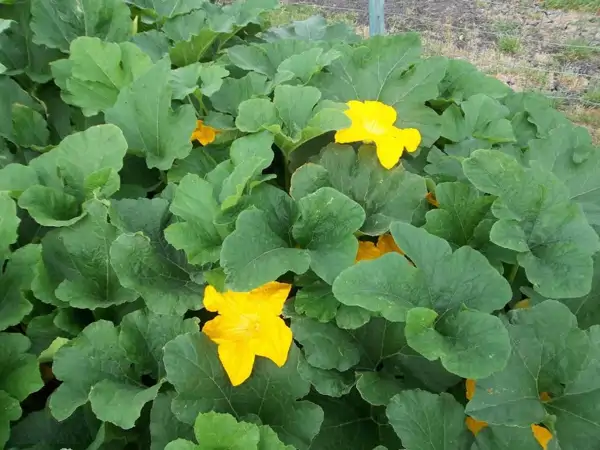
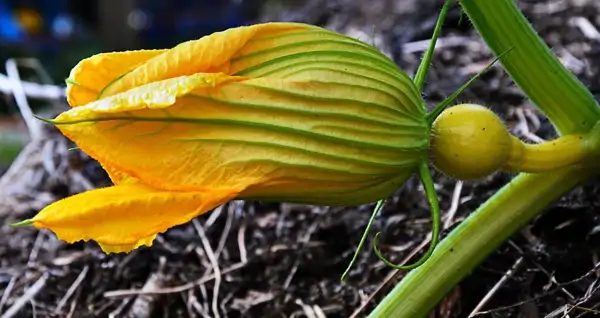
It is known that the homeland of the squash is America and that especially the species Cucurbita pepo and Cucurbita moschata originated from there and spread to the world. The species Cucurbita maxima is accepted to be of Asian origin.It is known that most of the squashes consumed today are of American origin and their seeds began to be cultivated about 10,000 years ago by the Guila Naquits natives in the Oaxaca region of Mexico. Pumpkin belongs to a plant family known as Cucurbitaceae. This family generally includes vine or climbing plants and includes plants that produce many different squashes, melons, watermelons, and similar vegetables and fruits worldwide. Plants included in the Cucurbitaceae family generally have large, green leaves and yellow flowers. These plants grow well in warm climates and are frequently grown as summer vegetables.
There are 119 different genera and 825 species included in the taxonomic classification of the Cucurbitaceae family (Jeffrey 2005). Among these species, those that are economically important worldwide are found within the genera Citrullus, Cucumis, Cucurbita, and Lagenaria. Pumpkin has been cultivated in North America for nearly 5,000 years. Studies on the origin of Cucurbita moschata show that this species was first cultivated in western Mexico (3400 BC) and later spread toward the southwestern United States (900 BC). After Spanish explorers reached America, they carried this species diversity to Japan and from there to Asia (Decker-Walters & Walters 2000). Turkey's wide range of climatic diversity allows most cucurbit species to be grown in the country without problems. Anatolia is considered a secondary gene center for squashes and possesses great genetic diversity (Şensoy et al 2007).
The Importance of Pumpkin in the World and Turkey?
Turkey holds an important position in world squash production, ranking 10th after major countries such as China, India, the Russian Federation, Iran, Egypt, and the United States, with a total production value of 378,606 tons. In terms of production area, Turkey ranks 9th. It has production areas of 9,896 hectares for zucchini, 3,688 hectares for pumpkin, and 24,952 hectares for snack seeds, with squash production carried out on a total area of 38,536 hectares.
Pumpkin seed production has been included in Turkey's national statistics since 2004. The growth observed in this field is quite remarkable. While 1,400 tons of production were carried out on an area of 2.5 hectares in 2001, the production area increased to 515,000 decares and the production amount to 36,000 tons in 2013 (TUIK).
Health Benefits of Pumpkin
Rich in Vitamin A and Potassium: Pumpkin is rich in high amounts of Vitamin A, which supports eye health, and potassium, which contributes to healthy blood pressure.
Has Strong Antioxidant Properties: Pumpkin contains powerful antioxidants that fight against free radicals in the body, thereby potentially reducing the risk of chronic diseases.
Can Improve Vision: Thanks to its high Vitamin A content, pumpkin consumption can help improve vision and support overall eye health.
Can Be a Better Sleep Aid: Pumpkin contains an amino acid called tryptophan that can improve sleep quality for those experiencing sleep problems.
Can Lower Blood Pressure: Potassium in pumpkin can help regulate blood pressure and contribute to cardiovascular health.
You can benefit from these health advantages by including pumpkin in your nutrition program.
Ideal Climate Conditions for Growing Pumpkin
Pumpkin has a minimum temperature requirement of 18℃ in the early growth stage. The ideal temperature range for its cultivation is between 25 and 28℃ is between. Pumpkin adapts to a wide range of rainfall and is also resistant to low temperatures. Pumpkin can be grown in the period between January and March and the period between September and December. Additionally, sowing can be started after the first rains between May and June for crops that do not require irrigation.
Soil Requirement and Preparation for Pumpkin Cultivation
Pumpkin develops well on a wide range of soils, but sandy soils containing good organic matter are the most suitable. Well-drained soils and soils with a pH range of 6 to 7 are ideal for pumpkin cultivation. The field should be leveled with a smooth harrow, well-drained, and fertile (yield can be increased by adding organic compost or Farmyard Manure). The selected main field should also have a secured water source.
Pumpkin Seed Rate:
The seed rate for pumpkin is approximately 1.0 to 1.5 kg for each hectare of planting.
Soil Preparation for Pumpkin Sowing:
To grow pumpkins, pits with a diameter of 60 cm and a depth of 30 to 45 cm should be opened, leaving intervals of 4.5 meters x 2.0 meters. In the pits, well-rotted Farmyard Manure (FYM) and fertilizers should be mixed with the topsoil.
How to Sow Pumpkin Seeds:
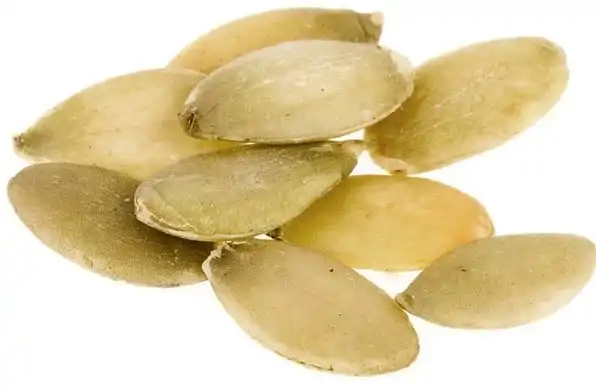
4 or 5 seeds should be sown in each pit. Two weeks later, unhealthy or damaged plants should be removed, and 3 plants should be left in each pit.
Fertilization for Pumpkin:
20 to 25 tons of Farmyard Manure (FYM) per hectare should be applied as basic fertilizer. Also, 35 kg of nitrogen (N) and 25 kg of P2O5 and K2O (25 kg/ha) should be applied as a half dose. The remaining 35 kg nitrogen (N) dose should be applied in two equal split doses during sowing and full flowering.
Weed Control of the Pumpkin Field:
During fertilizer application, the soil should be raked, and 2 to 3 hand weedings should be done to keep the field clean from weeds. It may be necessary to cover the soil, especially during the monsoon (rainy) season.
Water Requirement of Pumpkin Plants:
Irrigation should be done in the open field according to the needs of the plants. In the initial growth stages of pumpkin plants, irrigation should be done at intervals of 3 to 4 days. During the flowering and fruiting period, irrigation should be done on alternate days.
Pests and Diseases in Pumpkin Cultivation:
The main pests in pumpkin planting can be the Epilachna beetle, fruit flies, and red pumpkin beetle. These pests can be controlled against bitter melon pests. Important diseases in pumpkin cultivation are powdery mildew, rust spot, and mosaic.
Pumpkin Harvest Time and How to Harvest:
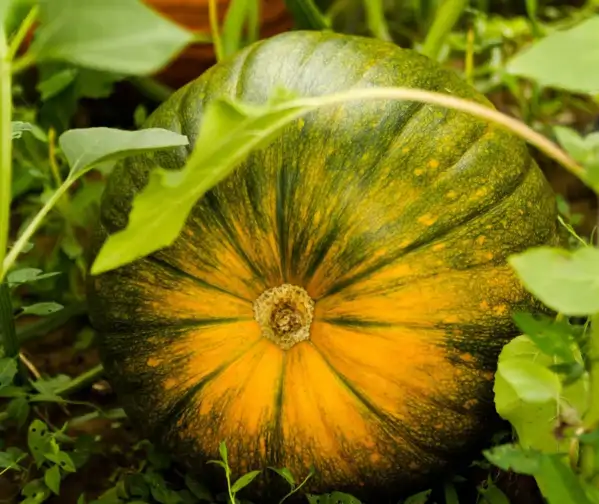
When the pumpkin is ready to be harvested, you can see that the stems connecting the fruit to the vine begin to shrivel. Fruits can be harvested when they are deep in color and their rinds are hard. Unhealthy fruits should be identified, and a sharp knife should be used carefully for harvesting.
Pumpkin Yield:
Pumpkin yield generally depends on plant management and fruit variety. An average pumpkin yield can be around 30 tons/hectare.
Some Points to Consider When Growing Pumpkin:
Generally, it is known that most pumpkins require 3 to 4 months for the first harvest after sowing seeds in the soil.
To prevent root rot disease, it is recommended to place a piece of wood under the developing pumpkin clusters.
The number of pumpkins you get from a plant depends on the variety. Normal varieties yield 2 to 4 pumpkins per plant, while miniature types can produce more pumpkins per plant.
The reason for the yellowing of pumpkin leaves can be nutrient deficiency or some type of infestation.
It is recommended to always sow pumpkin seeds when the soil temperature is above 19°C and to avoid frost conditions.
The best season to sow pumpkin is the season after the last frost, as pumpkin seeds will not germinate in cold climates.
You can grow pumpkins in large pots and sow 3 to 4 seeds in each pot. When the seeds germinate, you can thin them to 1 true plant.
Pumpkin seeds purchased from the market are hybrids and do not produce real types.
You can grow pumpkins indoors, but you must provide suitable growing conditions for this.
Suitable companion plants for pumpkin are cucumber, squash, flowering herbs, lettuce, broccoli, coriander, tomato, radish, and carrot.
With adequate management and care, pumpkin cultivation has a profitable potential.