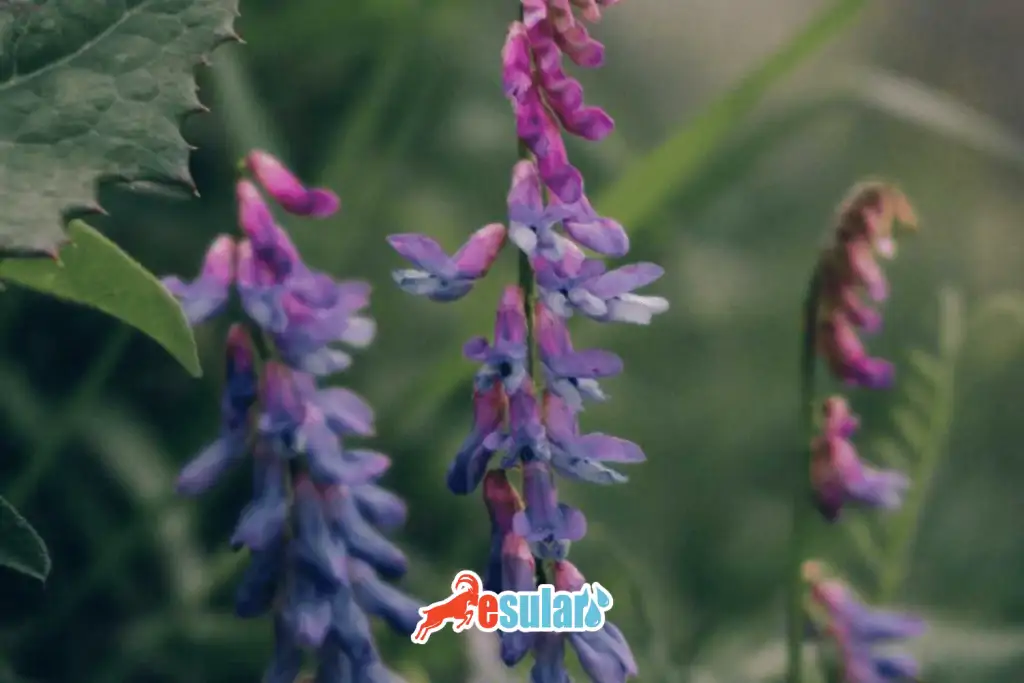
Vetch cultivation is a very popular method of vegetable production in garden or field conditions. There are important points to consider in step-by-step vetch cultivation. These are;
Seed Selection:
The first step of a good vetch cultivation process is the selection of quality seeds. It is very important to prefer healthy, disease-free, and well-developed seeds.
Soil Preparation:
A suitable soil selection should be made for vetches. Well-drained, humus-rich, and slightly acidic soil is most suitable for Vetch. The soil should be tilled deeply and stones, roots, and other weeds should be removed from the area. Compost or fertilizer can be added to enrich the soil with organic matter.
Sowing:
Sowing should be done at an appropriate depth and interval for vetches. Generally, a depth of 2-5 cm and a distance of at least 30 cm between rows should be left. Soaking the seeds in water overnight before sowing can accelerate germination. Depending on climate conditions, vetch can be sown from the beginning of October until the end of November.
Irrigation:
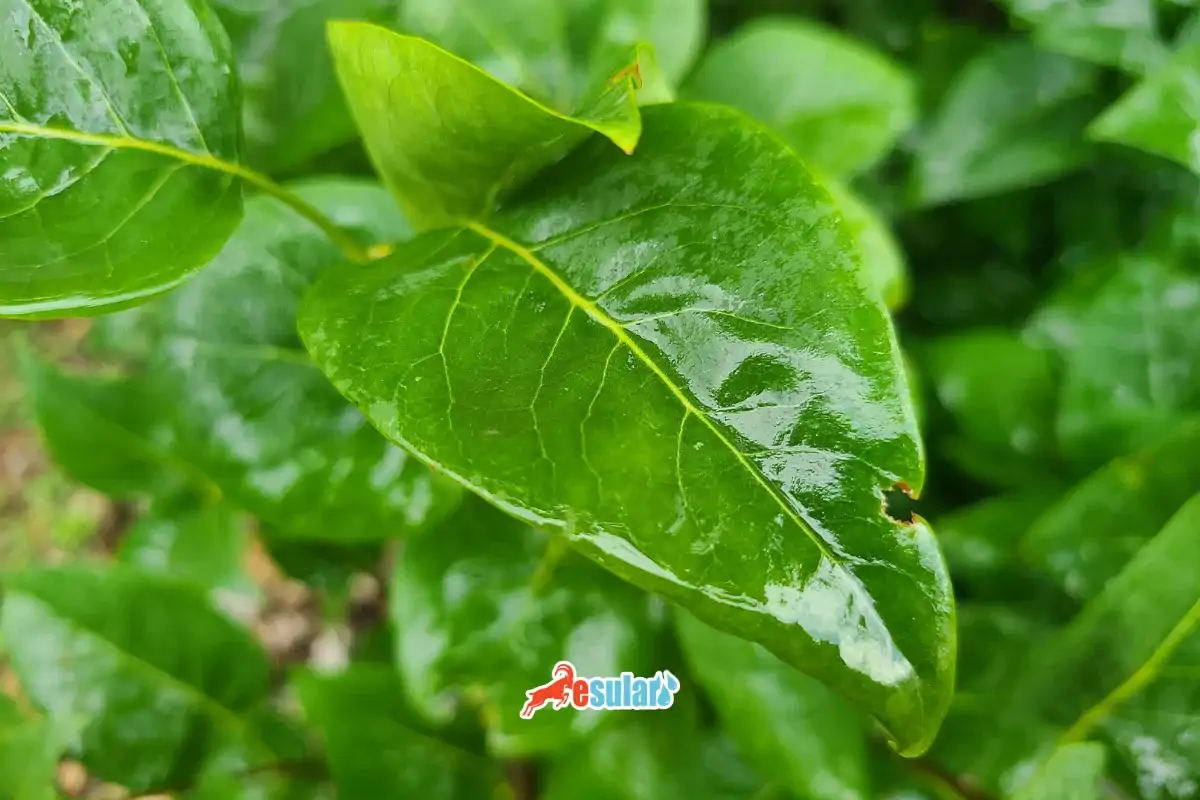
After sowing, soil moisture should be checked frequently and irrigation should be performed if necessary. Vetch plants can be sensitive to water stress. The irrigation time can practically be determined by looking at the external appearance of the plants. Whether a plant wants water can be understood by checking vetch leaves around 10:00 in the morning or 16:00 in the afternoon. Thirst in the vetch plant first causes darkening of color in the leaves, and later wilting and curling. In this case, it is understood that the irrigation time has come in fields with such leaves.
Fertilizing:
An appropriate fertilizing program should be followed for vetch plants. Generally, nitrogenous fertilizers are used during the initial growth period.
Support:
Since vetch plants are climbers, they need supports. Plants should be supported to grow upwards using poles or special vetch supports.
Pest and Disease Control:
To protect vetch plants from harmful insects and diseases, regular observations should be made and appropriate measures should be taken when necessary.
Harvest:
Vetches can generally be harvested approximately 60-70 days after flowering. Vetches should be harvested when their shells are bright green and plump. They should be collected by carefully cutting or plucking the vetches.
Fresh Consumption or Storage:
You can consume the harvested vetches fresh. Additionally, you can store them for long-term use with storage methods such as drying or freezing.
Yield:
It has been observed that in good care conditions, 3-4 tons of green hay or 750-1000 kg of dry hay per decare is obtained from the vetch plant.