Scrapie Disease in Sheep

24 Ocak 2026 Çağla Altıntaş 0 görüntülenme
Tüm Yazılar

Scrapie Disease in Sheep

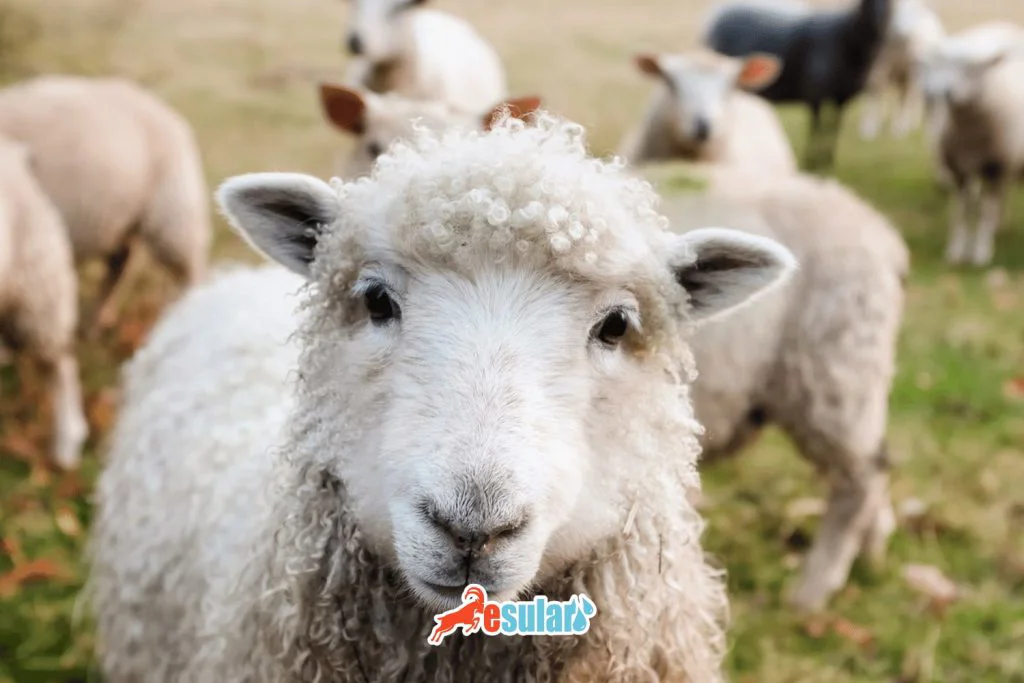
Scrapie disease is a fatal central nervous system disease seen in sheep and goats. It was first described in the 18th century in England and Northern Europe. However, over time, this disease has spread to the USA and many other countries. This disease is part of a group of diseases called TSE (Transmissible Spongiform Encephalopathy), which leads to the formation of abnormal spongy structures in the brain. These spongy structures caused by Scrapie lead to damage and dysfunction in the brain tissue. The causative agent of the disease is an abnormal protein called PrP (sc). The abnormal structure of this protein differs from infections caused by other viruses or bacteria and, although it is an infectious disease, it is called contagious in the traditional sense.

Why Does Scrapie Occur in Sheep?

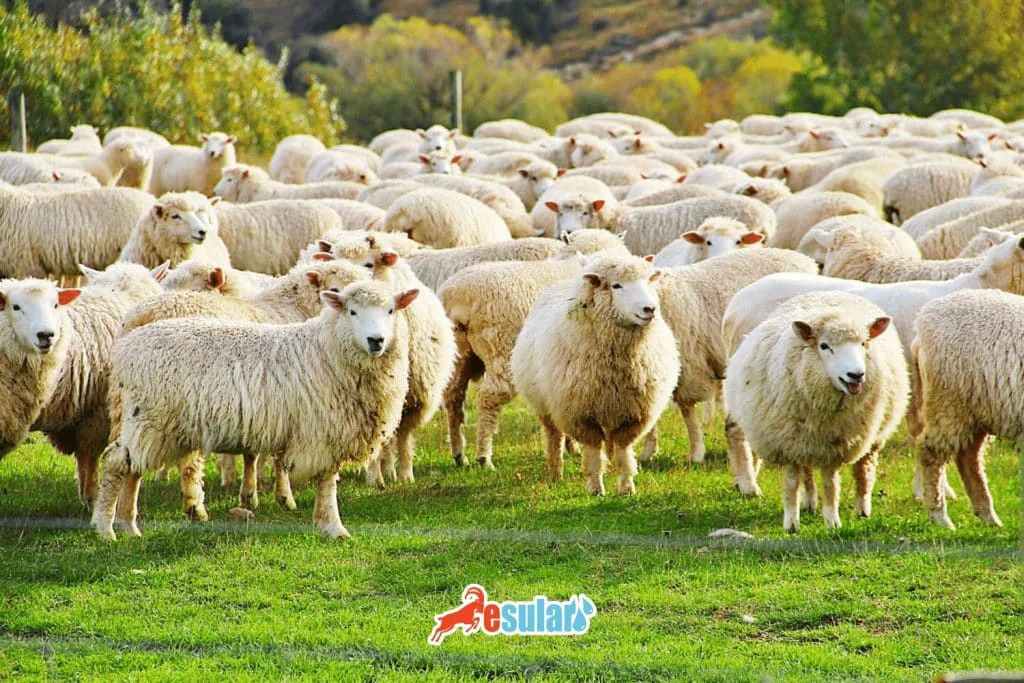
The primary cause of Scrapie disease is an abnormal protein called PrP (sc) that leads to the formation of abnormal spongy structures in the brains of sheep and goats. This abnormal protein interacts with proteins that normally help brain cells perform their functions, disrupting them. These spongy structures cause brain cells to be damaged and die over time. Among the transmission routes of the disease, the secretions of infected animals, tissue residues, and contaminated feed play a role, while lack of hygiene and contact with infected animals are also critical factors in the spread of the disease. For this reason, strict biosecurity measures must be taken to bring Scrapie under control and prevent its spread.

scrapie-disease-in-sheep

What Are the Symptoms of Scrapie Disease?

The symptoms of Scrapie disease generally show their effects on the animal's nervous system. The symptoms of the disease are as follows:

  • Neurological Changes: Animals exhibiting neurological movement disorders such as tremors, swaying, or staggering.

  • Decrease in Food and Water Consumption: As the disease progresses, a decrease in feed and water consumption may be observed in animals.

  • Behavioral Changes: Aggression, isolation, or deviations from other normal behaviors.

  • Itching and Wool Pulling: It is observed that animals constantly itch and pull their wool.

  • Coordination Problems: Animals experiencing loss of coordination in their movements, staggering, and imbalance.

  • Postural Changes: Distinct changes in physical posture such as drooping of the head and neck, and ears hanging down.

  • Muscle Weakness: Decrease in muscle tone and general weakness.

These symptoms usually appear in the advanced stages of the disease and can worsen over time. However, these symptoms may also show similarities with other diseases or conditions. Therefore, for a definitive diagnosis, veterinary intervention and laboratory tests are required.

what-is-scrapie-disease-in-sheep

How to Combat Scrapie Disease?

This disease is a source of widespread concern, especially among sheep and goat populations. Unfortunately, there is currently no effective treatment method for Scrapie. Therefore, treatment methods generally aim to provide symptomatic support and prevent the spread of the disease. Biosecurity measures are quite important for minimizing the spread of the disease. These include the rapid identification, isolation, and destruction of diseased animals. Additionally, the safe disposal of potentially infected feed and other animal products is also important. The identification of sheep breeds showing genetic resistance and the selection of these breeds have the potential to develop a natural resistance against the disease. Therefore, research and education are of vital importance for the recognition, control, and prevention of the disease. Especially in high-risk areas, early diagnosis and intervention through regular veterinary checks and laboratory tests are important in bringing the disease under control.

How is Scrapie Disease Transmitted in Sheep?

The disease is transmitted through direct contact or the secretions, feces, and tissue samples of infected animals. Therefore, the disease is transmitted to the offspring of infected animals, to other animals, or to animals that come into contact with infected environments. Additionally, the consumption of contaminated animal proteins used in animal feed also increases the risk of transmission. The disease has a long incubation period. Therefore, infected animals can transmit it to other animals before showing distinct symptoms. Adhering to biosecurity protocols to reduce the risk of transmission is very important in the control and prevention of the spread of the disease.

scrapie-in-sheep

Is Scrapie Disease Zoonotic?

There are findings that this disease emerged in the cattle population by adding meat-bone meal, meat meal, and bone meal obtained from infected sheep into cattle feed. Therefore, Scrapie-like symptoms have been seen in cattle fed with these feeds. However, since the disease does not have the characteristic of direct transmission to humans, it is known that humans do not acquire the disease through the consumption of mutton. For this reason, Scrapie is a disease that does not carry zoonotic characteristics.

Yorumlar

Daha Fazla İçerik İster misiniz?

Akıllı tarım hakkında en güncel içerikleri takip edin.