Tüm Yazılar
What is Foot-and-Mouth Disease
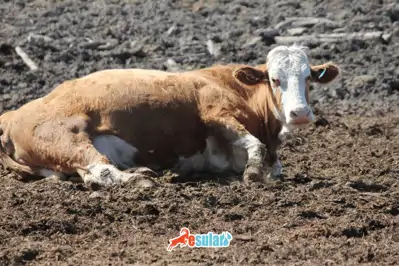
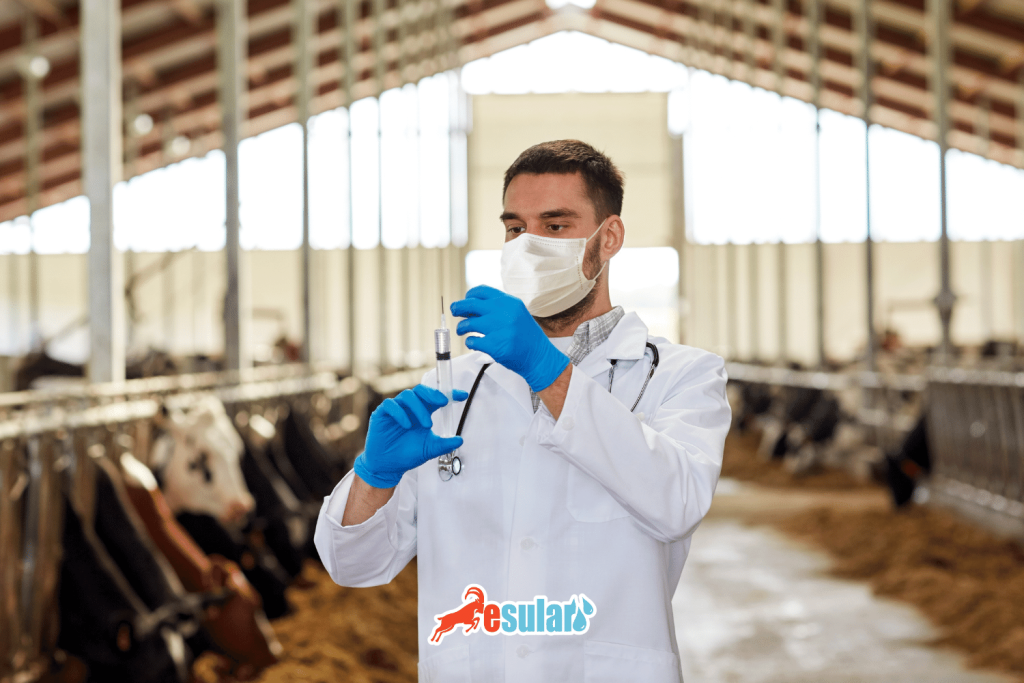
Foot-and-mouth disease is a highly contagious disease caused by viruses that affect cattle, buffalo, sheep, goats, pigs, and cloven-hoofed wild animals, spreading very quickly. Being 100 percent contagious causes foot-and-mouth disease to affect large animal populations. This situation is of importance from many economic, commercial, and political aspects. The cause of the disease is a virus belonging to the Picornaviridae family, which is part of the Aphtovirus subgroup. The virus has a structure that is quite resistant to environmental conditions. It can maintain its infectivity for 24 days on wool; 4 weeks on cattle hide; 15 weeks on straw; 4 weeks in soil; 20 weeks on bran; and 5 months on hay and grain. In severe cases, it can cause hoof loss and deaths in calves and lambs. The disease leads to serious economic losses by reducing milk, meat, and labor productivity. Foot-and-mouth is a disease that can be prevented by vaccination. The most effective method of struggle is to vaccinate the animals before the disease appears, that is, to take precautions. There are 7 different types (serotypes) of the foot-and-mouth virus. It is important that the vaccine to be applied is appropriate for the virus type to be encountered.
What are the Symptoms of Foot-and-Mouth Disease?
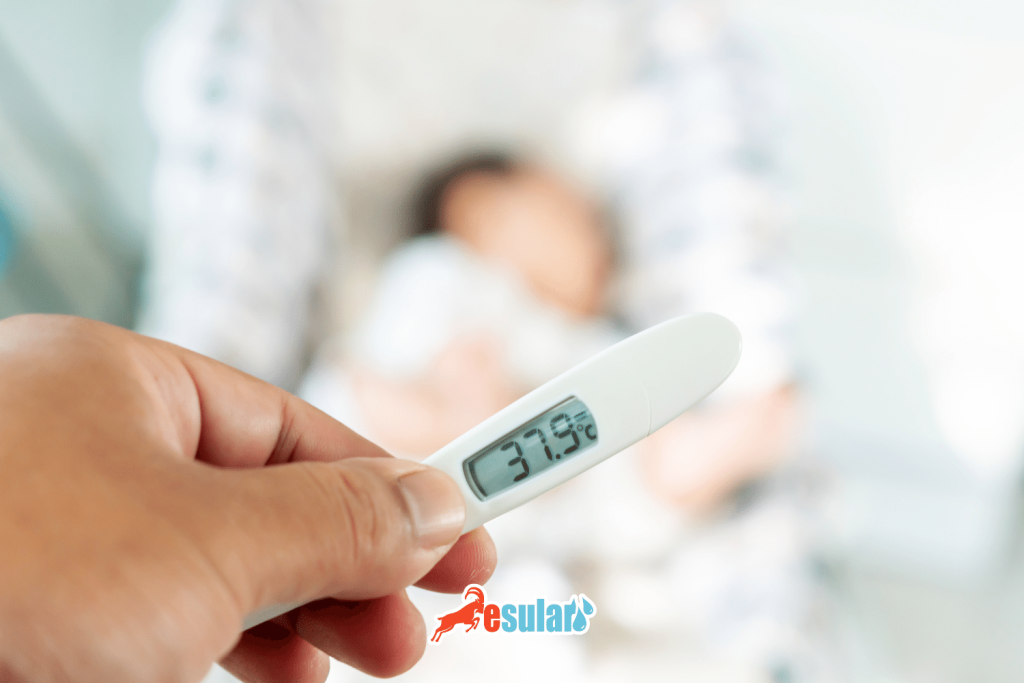
In cattle symptoms such as fever, loss of appetite, depression, and a decrease in milk yield constitute the first clinical findings of the disease. Drooling starts within the first 24 hours and vesicles form on the tongue and gums. These vesicles can be observed in the interdigital region, the coronary region, on the udder skin, and on the mouth and nose mucosa. With the bursting of the vesicles, large ulcerative sores may emerge. While lesions on the tongue can usually heal within a few days, lesions on the feet and in the nasal region are usually exposed to secondary bacterial infections. As a result of secondary bacterial infections, pneumonia and mastitis may occur, and the hoof may fall off.
In sheep and goats the disease follows a milder course. Lameness is usually seen in sheep and this situation can be continuous. Lesions in the mouth tend to be smaller and shorter-lived compared to lesions in cattle. Generally, the economic losses caused by the disease are lower than those seen in cattle, and clinical findings can only be determined with careful observation. The most prominent features:
- High fever
- Dull and lifeless looks
- Shivering
- Salivating and smacking mouth
- Sores on gums, tongue, and lips
In short, there may be clinical symptoms that raise suspicion of the disease, but a definitive diagnosis is made using virological or serological methods. In differential diagnosis, other infections causing lameness, mucosal erosions, salivation, nasal discharge, and udder lesions should also be considered.
Transmission Routes of Foot-and-Mouth Disease
The disease spreads through both direct and indirect routes. The most prominent transmission mode of the disease is the inhalation of the airborne virus through the respiratory system. Infected animals or those in the incubation period spread the virus through respiration, skin, secretions, milk, and semen. The disease can also be transmitted through contaminated animal products, contaminated vehicles and equipment, people, wild animals, birds, wind, and transport vehicles. In humans, it has been reported that infection is rarely contracted through contact with infected animals or through infected meat and dairy products. The mortality rate of foot-and-mouth disease is generally low, but fatal myocarditis cases can be observed in young animals as a result of the virus settling in the heart. The transmission rate of the disease is high and it can lead to economic losses by causing a rapid decrease in meat and milk yields.
Measures to be Taken Against Foot-and-Mouth Disease
Measures to be Taken Before the Disease Emerges
Measures to be Taken by the Breeder:
- Mats treated with effective disinfectants such as citric acid or caustic soda against foot-and-mouth disease must be kept constantly at the barn entrances.
- It is important that no one other than animal caretakers enters the barns. Caretakers should use different clothes and shoes when entering the barn.
- Care should be taken to regularly clean hands, automatic milking machines, and udders before milking.
- Newly purchased animals should be quarantined for 15 days and should not be introduced to other animals if they are healthy at the end of the period.
- It is an important measure not to send animals to infected pastures during the pasture season.
- Straw, hay, etc. should not be taken from infected areas.
Measures to be Taken by the Veterinarian:
- Vaccination should be done regularly at 4-6 month periods.
- Animal movements must be inspected.
- It is important to vaccinate animals before shipment and not allow shipment for a period of 3 weeks.
- Those involved in animal husbandry must undergo training.
Measures to be Taken After the Disease Emerges
Measures to be Taken by the Breeder:
- Immediate isolation of healthy animals from sick animals.
- Cleaning the area where sick animals are located.
- Burning the bedding of sick animals.
- Changing the animal caretakers.
- Informing the Veterinarian as soon as possible.
Measures to be Taken by the Veterinarian:
- Taking samples for definitive diagnosis and sending them to the Foot-and-Mouth Institute as quickly as possible.
- Drawing a control line in the area where the disease emerged, and stopping the exit of cloven-hoofed animals and their products.
- Vaccinating all diseased, suspect animals and those not younger than 5 months depending on the result obtained.
- Disposal of dead animals by burning or burying.
- Applying Animal Health Police rules to animals to be slaughtered in the quarantine zone based on the owner's request.
What happens if the meat of an animal with foot-and-mouth disease is eaten?
Foot-and-mouth disease can also be transmitted to humans, but there is no situation that will negatively affect public health. The meat of animals observed with foot-and-mouth disease becomes edible after being kept at 4 degrees for at least 24 hours. At this point, the meat both becomes completely free of viruses and its aroma becomes better. Still, consulting with authorities on health and safety issues is always the best approach.
What does foot-and-mouth disease do to humans?
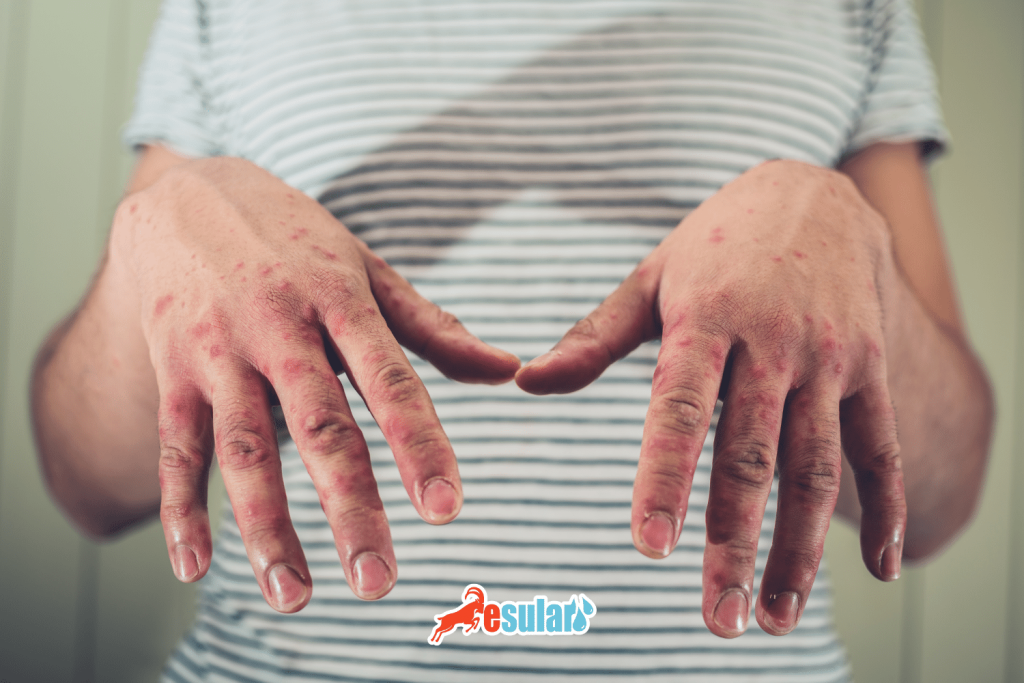
Foot-and-mouth disease is basically an animal disease and generally does not affect humans. The potential of the virus causing the disease to infect humans is low. However, in some cases, professional groups such as veterinarians, animal caretakers, and laboratory workers may be at higher risk. The disease is usually transmitted from animal to human through direct contact. Transmission among humans is rare and usually occurs through direct contact. If a person contracts foot-and-mouth disease, symptoms are usually mild and self-limiting. Fever, bubble-like sores on hands, feet, and mouth, as well as flu-like symptoms can be seen. The course of the disease is rapid and serious complications are rare. Currently, there is no specific vaccine or medicine, so treatment is usually symptomatic and includes measures such as hydration, rest, and hand hygiene.
Protection measures against foot-and-mouth disease include practices such as paying attention to hand hygiene, using appropriate protective clothing during animal care, boiling milk, and cooking meat well. These measures are aimed at preventing the spread of the disease.
Kategoriler
Etiketler