Tüm Yazılar
How to Grow Squash
Squash cultivation is a summer vegetable that differs significantly from other vegetables depending on growing seasons and processing methods. Squash is an annual vegetable within the genus Cucurbita belonging to the Cucurbitaceae family. In Turkey, summer squash production continues throughout the year, including the winter months, thanks to cultivation carried out under cover in recent years. Our annual total summer squash production is generally around 300-400 thousand tons. While summer squashes are used in different types of dishes, winter squashes are generally evaluated for use in desserts, stuffed dishes, and pastries during the winter months. Additionally, apart from this production amount, squash seed production also occurs to a large extent. Squash seeds are widely used as snacks. This vegetable is a versatile product used not only in human nutrition but also as animal feed with its fruits and seeds.
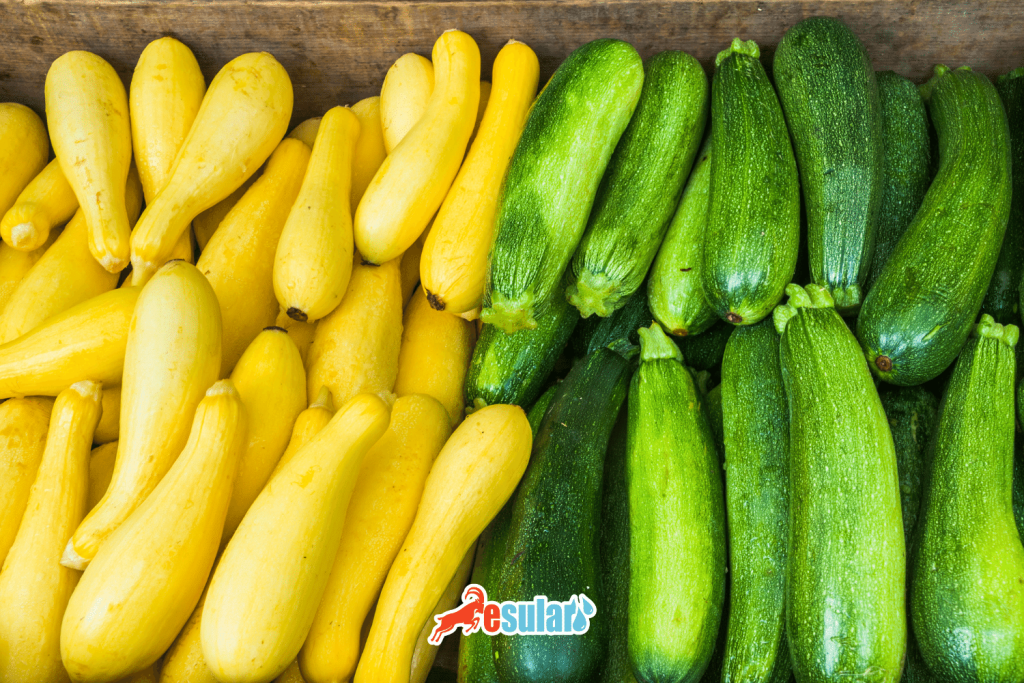
Squashes in our country are classified as summer, winter, and ornamental squashes. Summer squashes include Zucchini (Sakız), Girit, Water, and Hanging squash. Winter squashes include Pumpkin (Bal), Chestnut, and other large squash species.
Characteristics of Squash
Root: Squash is an annual vegetable plant. In the young period, a taproot and 4-6 superficial lateral roots varying around it develop. Over time, these lateral roots grow rapidly and take on a fibrous appearance. Depending on the soil structure and the growth status of the plant, roots can grow up to 1-1.5 meters in length towards the sides. 60-70% of the roots are located at a depth of 30 cm in the soil.
Stem: In Zucchini (Sakız) and Girit squash varieties, the stem grows in an upright and semi-prostrate manner. The plant has a compact appearance with a diameter of 50-100 cm. Although the stem is herbaceous, it is sturdy. Its cross-section is angular and while it is initially green, it turns light green or even brown over time. There are hard thorns and hairs on the stem. In summer squashes, it is preferred that the main stem is branchless and short.
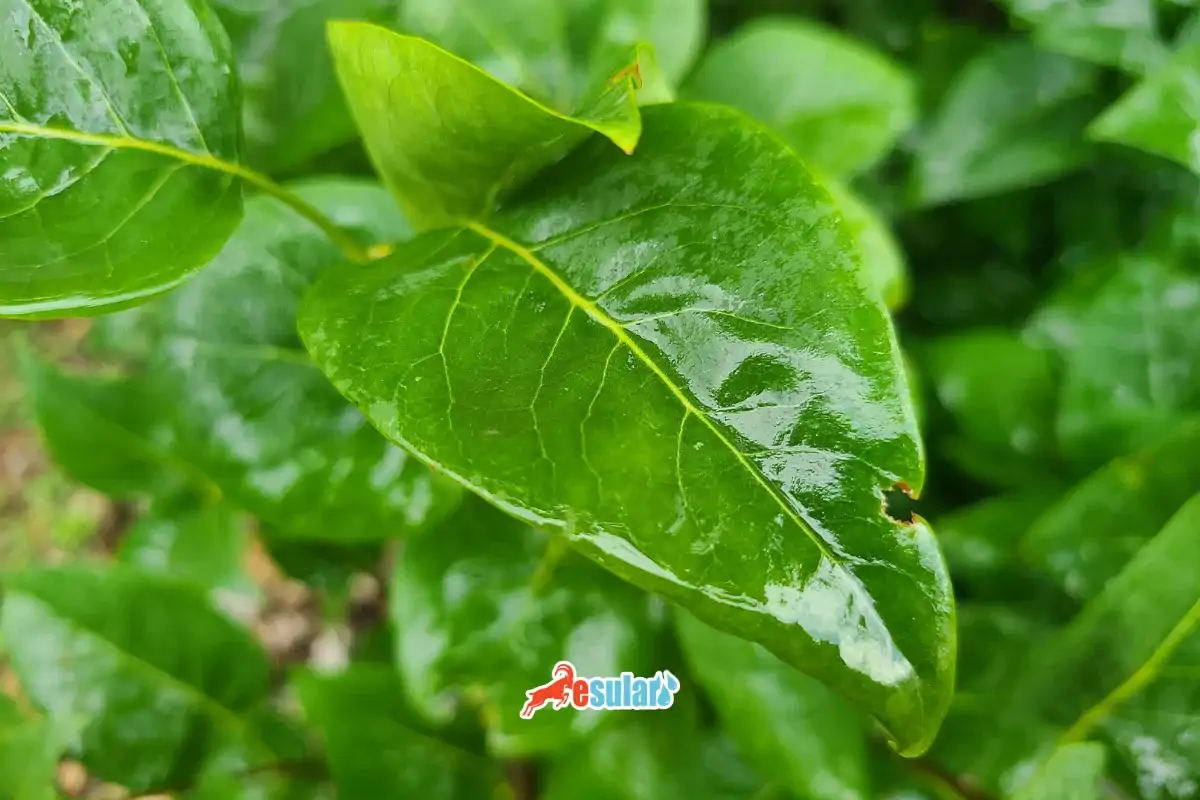
Leaf: Leaves are connected to the stem with their long petioles. They are striped, grooved, thorny, and hairy along the upper part of the leaf stalks. There is a distinct groove in the middle of the leaf stalk. The inside of the leaf stalk is hollow and round. Leaves are generally large, oval, pentagonal, or heart-shaped. Leaves can be lobed and thorny.
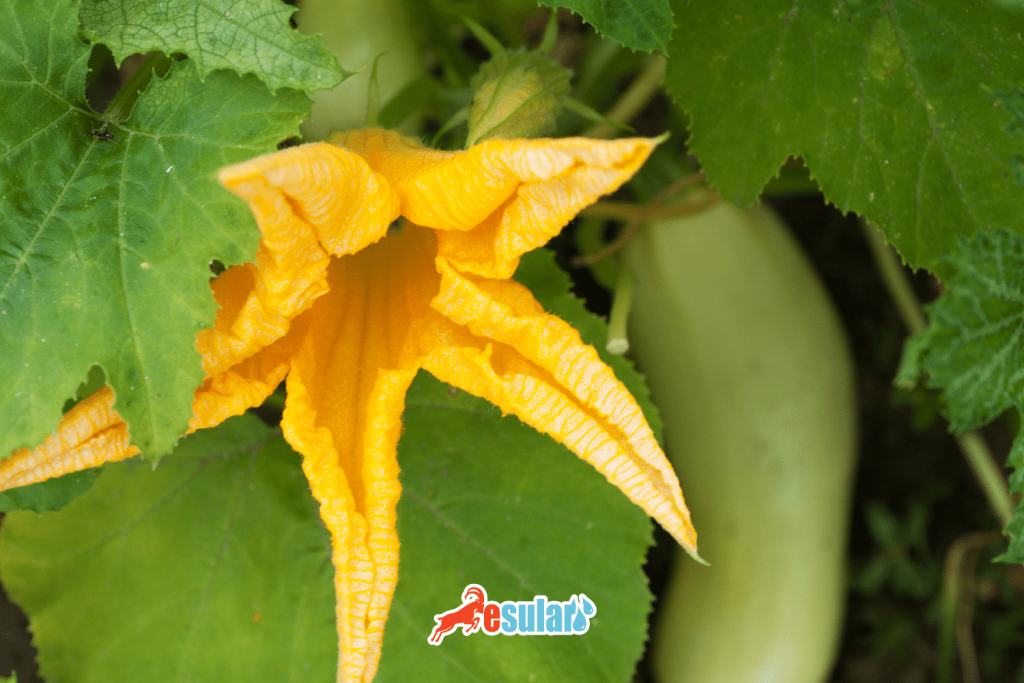
Flower: Squash flowers appear in the leaf axils on the main stem. Flowers are monoecious, meaning that although male and female flowers are on the same plant, they develop in different places. The stalks of male flowers are longer and thinner compared to female flowers. Flowers develop from leaf axils singly or in groups of 3-4. The calyx and corolla of the flowers are fused at the base, and the tips are five-parted and pointed. Sepals are generally green, and petals can be colors ranging from light yellow to dark yellow.
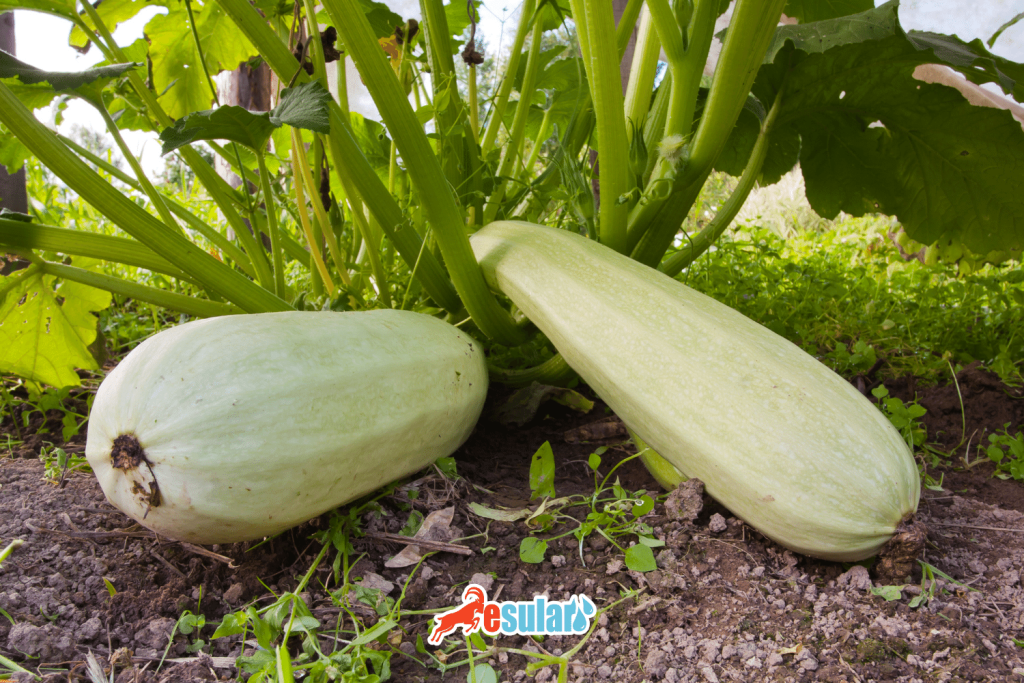
Fruit: Squash fruits show significant differences among varieties; they vary in terms of shape, size, slicing, and flesh characteristics. In summer long varieties such as Zucchini and Girit squash, there are fruits 10-25 cm long and 3-10 cm in diameter during harvest periods when evaluated as vegetables.
Seed and Germination Characteristics: Squash seeds can have different characters; they can be white, milk white, gray-white, yellow-white, brown, red-brown, and leaden, tan tones. Squash seeds are generally 98% clean, and the germination rate should be around 90%. These seeds can maintain their germination property for up to 5-10 years under normal storage conditions. Germination starts above 10°C, and the optimum germination temperature is usually between 20-25°C. Squash seeds generally germinate within 4-8 days, and this process should take place in dark environments.
Climate and Soil Requirements for Squash Cultivation
The squash plant prefers temperate environmental conditions during growth stages and is among the warm climate plants during the yield-oriented periods. It does not like harsh climatic conditions and is sensitive to cold weather conditions. It also does not tolerate extreme heat. It develops healthily under appropriate conditions during the periods between spring and autumn. However, it requires regular irrigation during hot periods. Temperature changes can negatively affect the growth and development of the plant. It exhibits its best performance at temperatures above 24°C. For open field cultivation, one should wait for the last frosts to pass and the soil temperature to exceed 10°C for seed sowing. Squash is a light-loving plant and does not grow in shaded areas. In shaded areas, the plant may have a weak structure, and also the rate of female flower formation and fruit set may decrease. The vegetation period in summer varieties of squashes is usually 100-130 days. Long-term drought and excessive humidity can cause fungal diseases to spread. Therefore, growing periods and location should be chosen carefully.
Although the squash plant is not very selective about soil, it does not like heavy and sandy soils much. For the best yield and seed collection, deep, well-drained, water-retentive loamy soils enriched with organic and mineral substances are preferred. Early maturation can be achieved in sandy soils. Soil pH level should be between 6-7.
Soil Preparation for Squash Cultivation
Soil tillage is carried out considering the production time and climatic conditions. Before sowing and planting, the soil is tilled once or twice, and the land is leveled using a harrow. Sowing and planting operations are performed when soil temperature reaches 10-12°C.
Sowing in squash cultivation
In the early period, squash cultivation mostly takes place with summer squash varieties (Zucchini, Girit). This is done in the form of planting seedlings in their main growing places, under open field conditions or under cover. Plastic bags and pots are filled with pre-prepared mortar material. 2-3 seeds are sown in each pot or bag. After germination, the best-developing seedlings are selected and the others are discarded. Young seedlings are planted in their main growing places when they have 4-5 leaves. Squash, which grows collectively and does not branch out, is planted in hills with 60-80 cm row spacing and 50-60 cm in-row distances. In the method where seeds are sown directly into the soil, the sowing process is carried out when the soil temperature reaches 10-12 °C for summer squash sowing. Summer squash varieties are sown in hills each containing 2-4 seeds, with rows spaced 60-80 cm apart and in-row distances 50-60 cm apart.
In which month is squash sown?
Squash should be sown between April and May, especially in temperate regions. In cold regions, it will be more appropriate to sow between late April and late May. Periods when the soil temperature rises to 12-13 degrees and above, up to 18 degrees, constitute the ideal sowing time. It is difficult to achieve healthy plant development in extreme hot and cold weather conditions; therefore, sowing should be avoided at temperatures below 10 degrees.
Planting in squash cultivation
Squash seeds should be sown at a depth of 3-5 cm depending on soil characteristics and moisture status. Germination occurs 4-8 days after sowing and plants reach the soil surface. When plants start to grow, especially in branching varieties, when the first shoot reaches the 5-6 leaf stage, the shoot tip is cut to encourage branching. Attention is paid to soil hoeing.
Irrigation in Squash Cultivation
Since squash fruits grow rapidly, irrigation should be performed at frequent intervals and ideally every 3-4 days. Irrigation is very important in terms of plant growth and yield. Signs of thirst in squashes can be noticed especially in the morning and evening hours by the abnormal curling and drooping of the leaves. Regular irrigation should be done before these signs are seen. When irrigating squashes, it is important to ensure that the leaves definitely do not get wet. For this purpose, the drip irrigation system is recommended as the most effective irrigation method. To get maximum efficiency from drip irrigation, it is essential to use smart and automatic irrigation systems.
Does squash require a lot of water?
Yes, the squash plant is generally a plant with high irrigation needs. Since squash fruits grow very fast, regular and sufficient irrigation is important. The squash plant likes a moist environment in the soil, but does not like water accumulation, so good drainage is important. Frequent irrigation is important for plant development and yield. Additionally, irrigation methods such as drip irrigation can be preferred for squash, because in this method, leaves are prevented from getting wet and the risk of disease on the plant decreases.
Fertilization in Squash Cultivation
Squash cultivation prefers a sufficient amount of organic nutrients in the soil. Between 4-6 tons of well-rotted farmyard manure should be applied per decare. Squash cultivation involves the use of fertilizers containing 8-12 kg of nitrogenous fertilizer, 10-15 kg of phosphorus, 10-12 kg of potassium, and 4-8 kg of lime per decare, depending on the varieties. Farmyard manure should be applied 1 month before sowing or planting.
Weed Control in Squash Cultivation
Control of weeds is of great importance. Hoeing operations are used for cleaning weeds, aerating the soil, and earthing up the plants. Additionally, plastic mulches are also an effective method for weed control. Common diseases in squash plants include powdery mildew, downy mildew, zucchini yellow mosaic virus (ZYMV), and fusarium. Among pests, nematodes, red spider mites, thrips, and aphids are important. Regular precautions should be taken for effective control of these pests and diseases. Additionally, the use of resistant varieties is recommended.
Harvest and Storage in Squash Cultivation
The most suitable harvest size for Zucchini and Girit squashes is when they reach a length of 10-25 cm, which corresponds to one-third of the normal size of the variety. In early (turfanda) squash production, fruits are generally harvested at a small size. Although the average fruit weight decreases with this method, the fruit yield per plant increases. When summer squash fruits reach the suitable size for harvest, their stalks are cut using a knife or scissors in the morning and evening hours. Harvested summer squashes should be sent to the market as soon as possible. These squashes can be stored for about 20-30 days at a temperature of 4-8°C and 80-90% humidity.
How much squash is produced from 1 decare?
Depending on the region where summer squash varieties are sown, the cultivation method, and the characteristics of the selected variety, each plant can yield 2-4 kg of product. Per decare, between 6-8 tons of summer squash can be harvested.
How many days does it take for squash to bear fruit?
The time it takes for the squash plant to start bearing fruit varies depending on the variety and growing conditions. Squash is a light-loving plant and does not grow in shaded areas. In shaded conditions, the likelihood of the plant having a weak structure increases. Additionally, the rate of female flower formation and fruit set may decrease. The vegetation period in summer squash varieties is generally between 100-130 days.
Kategoriler
Etiketler